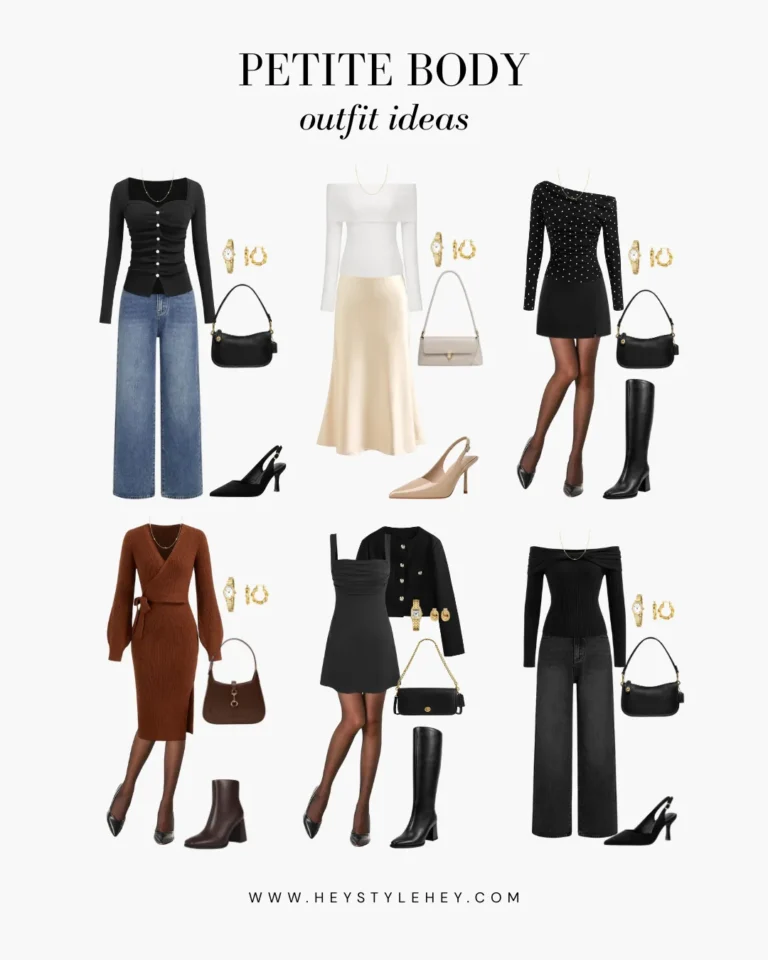
Getting dressed honestly feels so much easier once you get a sense of your own body type. When you start noticing what actually works for you, those shapes, lengths, and proportions that used to feel a little “off” suddenly make way more sense.
You really don’t need a strict list of fashion rules. It’s more about understanding what balances your silhouette and figuring out the pieces that naturally highlight that.
I think everyone has that phase where they’re not totally sure what their body type even is — I’ve been there too. But as you pay attention to smaller details, like which necklines open up your frame or where a bit of structure feels good, you start seeing little patterns.
And once those patterns click, styling stops feeling like a puzzle and starts feeling intuitive — almost second nature.
1. How to Figure Out Your Body Type
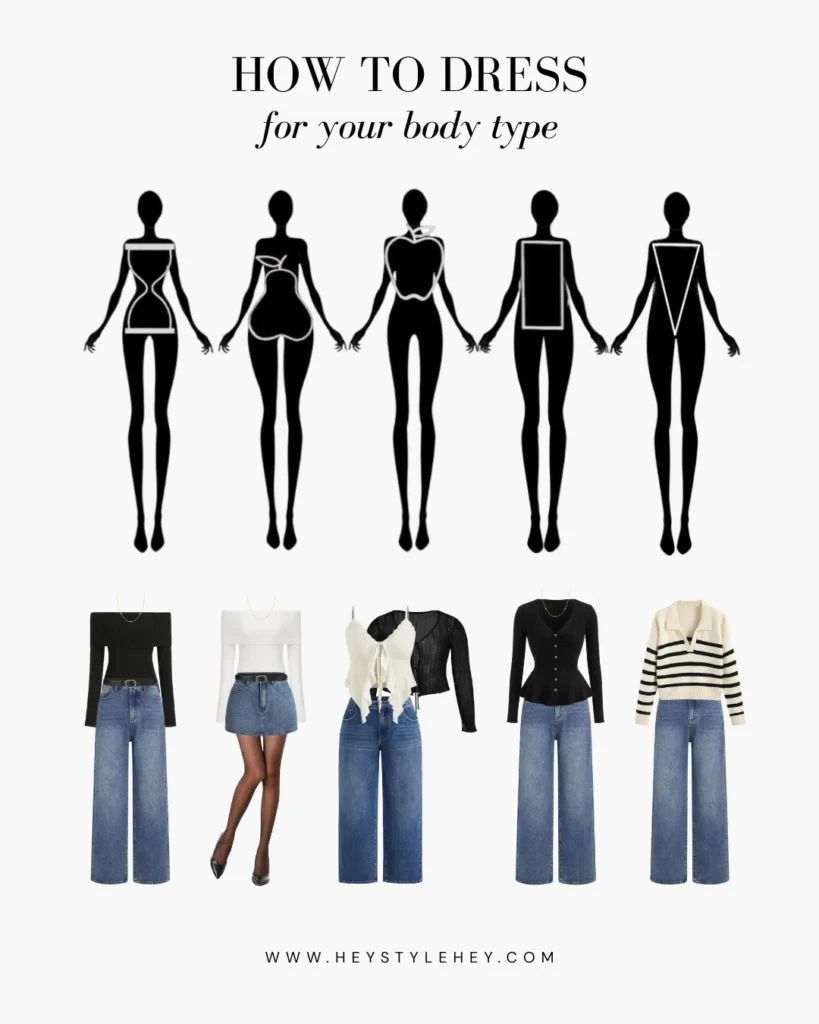
Before anything else, it helps to understand what your body type actually is. The easiest way to start is by looking at four points: your shoulders, your bust, your waist, and your hips.
These areas show the overall flow of your silhouette and help you see where your outline feels balanced or where it shifts.
Here is a simple way to understand each of the classic body shapes:
- Hourglass: The shoulders and hips sit in a similar width, and the waist curves inward with a clear definition.
- Pear: The shoulders feel lighter while the hips and thighs hold more of the shape, creating a soft curve through the lower body.
- Apple: More volume gathers through the center of the torso, and the legs create a smooth, slim line underneath.
- Rectangle: The outline from the shoulders to the waist to the hips follows a straight line with only a gentle curve at the center.
- Inverted Triangle: The shoulders feel broader and the waist and hips create a narrower and softer base.
Once you understand your silhouette, you can also think about your frame. Petite shapes feel small and compact, so small changes in fit and length make a strong difference.
Tall frames create long and clean lines from top to bottom, and the key is shaping that length in a way that feels grounded and balanced.
2. Hourglass Body Shape
Now that you have a sense of your body type, let us look at each shape more closely.
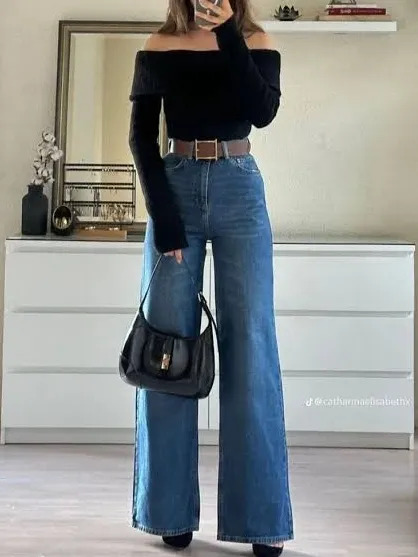
The hourglass body shape has an even balance between the upper and lower body, with a clear inward curve at the waist. The outline moves in a soft S shape, and that natural flow is what you want to work with when you choose your clothes.
When you style an hourglass shape, the goal is simple. You support your waist and follow the curve you already have. When the fit sits close to your outline in the right areas, your whole look feels steady, polished, and effortless.
Styles That Work Well
- Wrap silhouettes: These shapes follow the waist and create a smooth, natural curve through your torso.
- Belted outerwear: A belt brings gentle structure to your center and keeps your proportions clear, even with layers.
- High waist pieces: This rise guides your leg line upward and supports the curve at your waist.
- Fitted tops with straight or bootcut bottoms: This mix keeps your outline balanced from top to bottom without feeling tight or heavy.
Styles to Skip Sometimes
Very loose or boxy cuts can soften your waist too much and give you less support through the center.
Outfit Ideas to Try
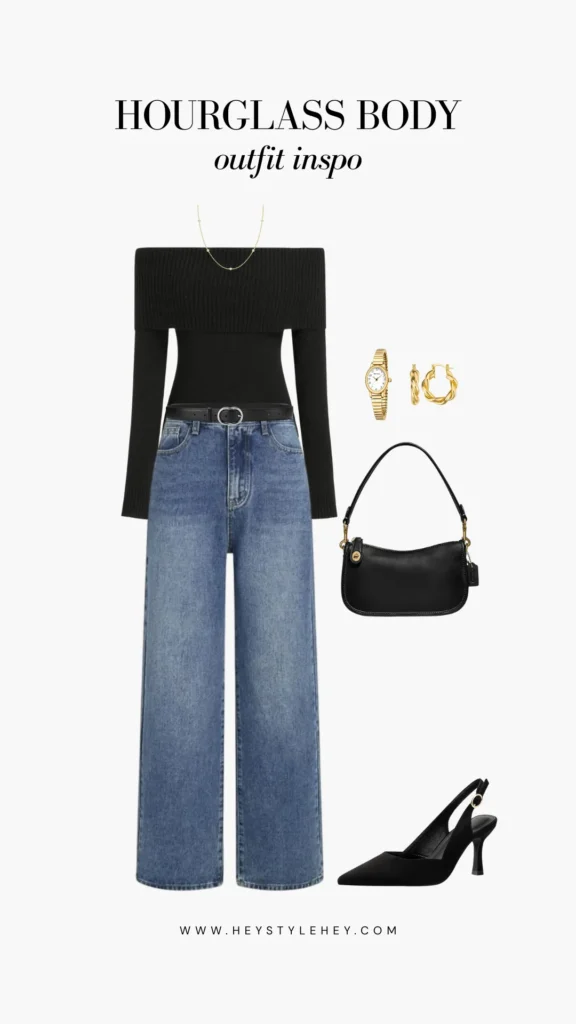
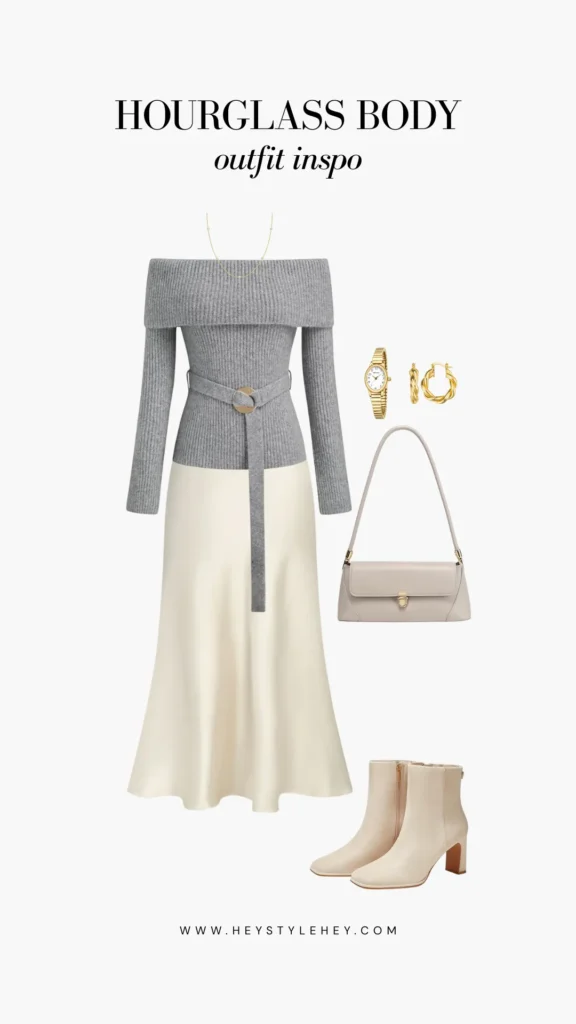
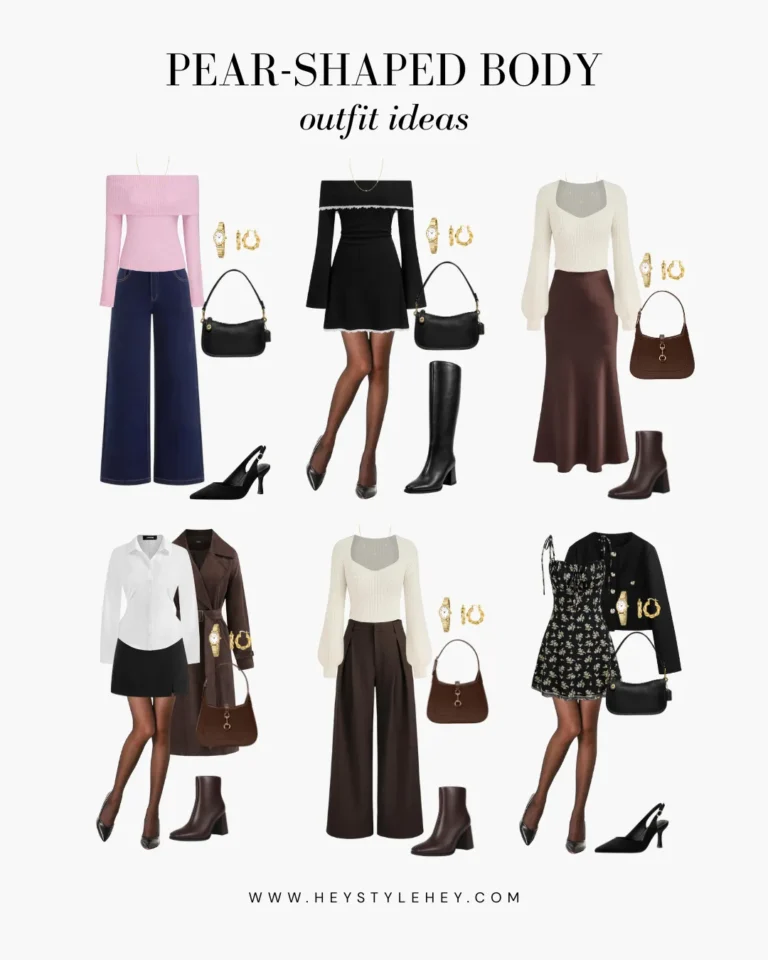
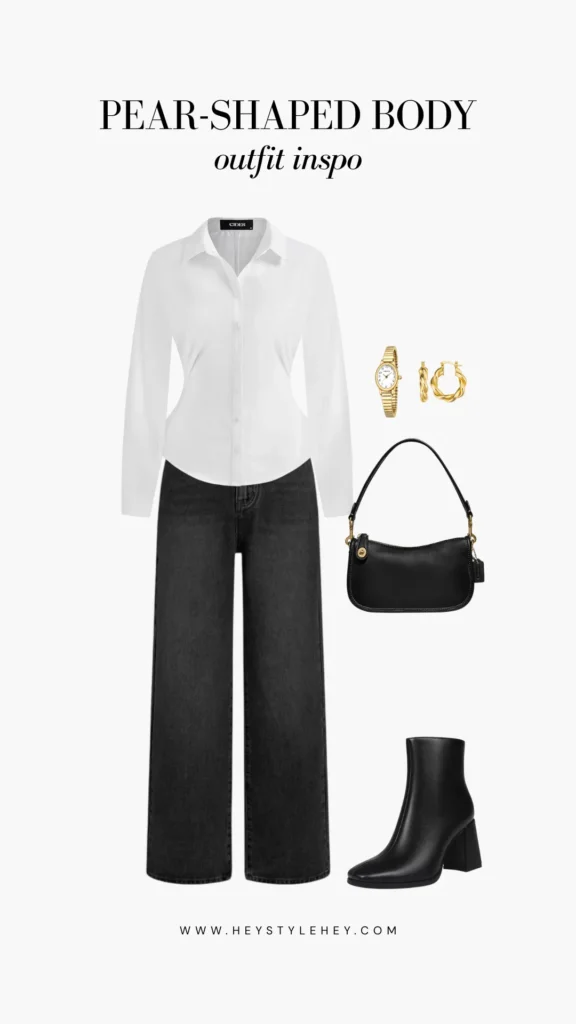
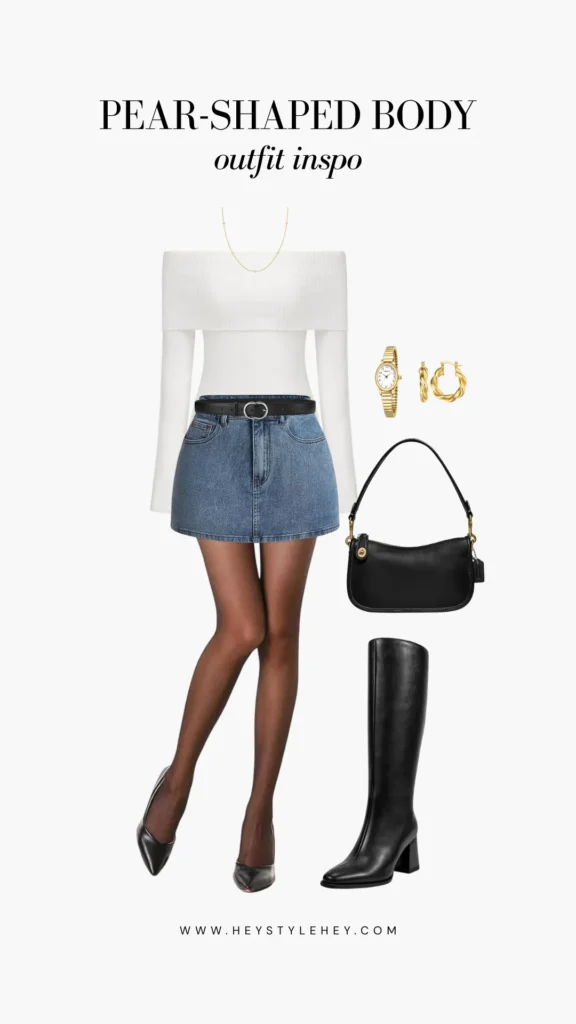
3. Pear Body Shape
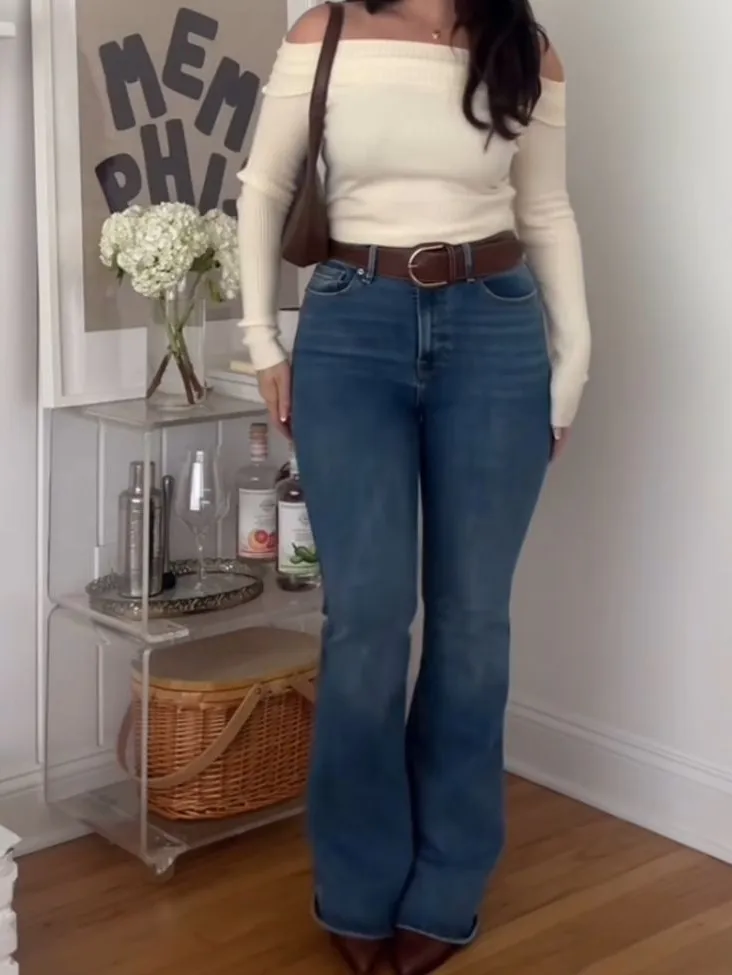
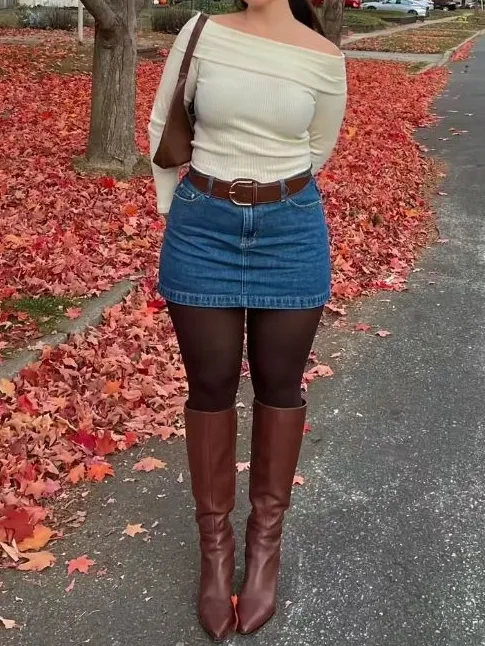
The pear body shape carries more of its curve through the hips and thighs, while the shoulders feel lighter and more delicate. When you look at the outline as a whole, the attention often settles on the lower body first.
Styling this shape is all about lifting the focus upward and creating a smooth connection between your top and bottom. The goal is to keep the upper body open and bright while giving the lower body a clean and relaxed line.
Styles That Work Well
- Open necklines: Square or scoop necklines bring the eye upward and create an easy sense of balance across your shoulders.
- Light or structured tops: A little volume or a gentle structure around the shoulders helps your outline feel more even from top to bottom.
- A line skirts: These follow your curves without clinging and give your lower half a clean flow.
- Straight or subtle flare bottoms: Straight legs or a soft flare smooth the line of your hips and thighs without feeling tight.
Styles to Skip Sometimes
Anything that hugs the hips too closely can interrupt the natural line of your silhouette. A looser fit keeps the overall shape soft and balanced.
Outfit Ideas to Try
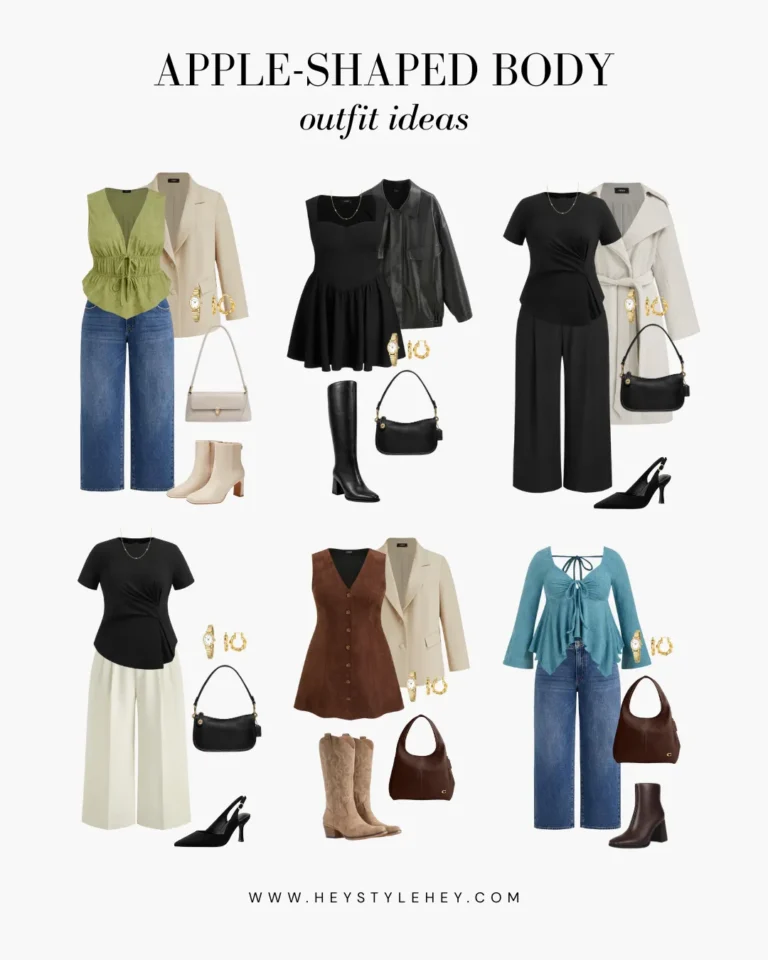
4. Apple Body Shape
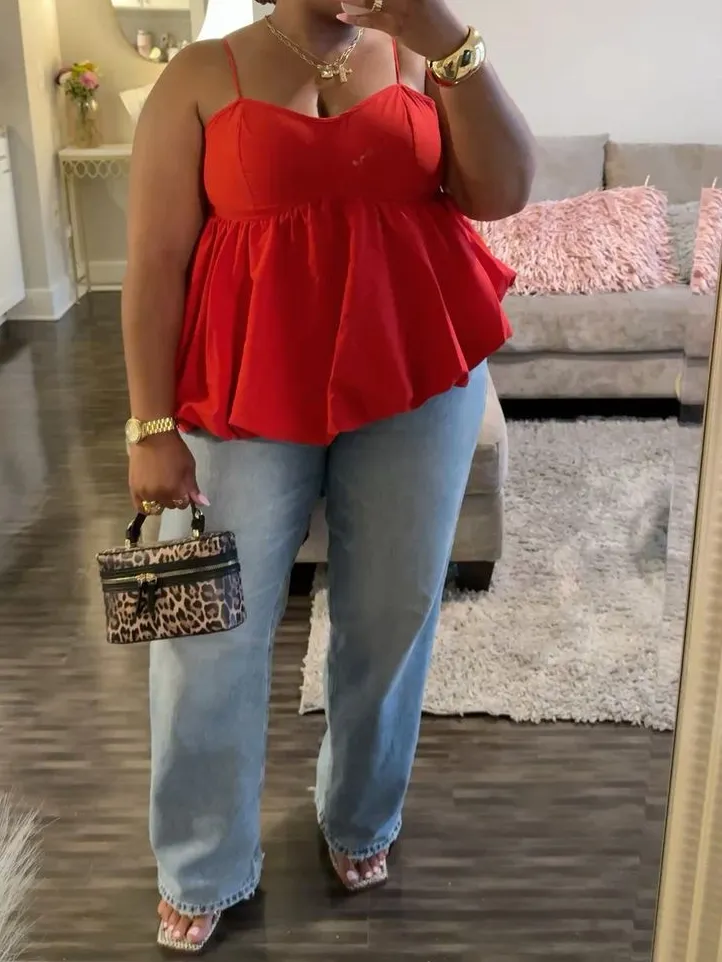
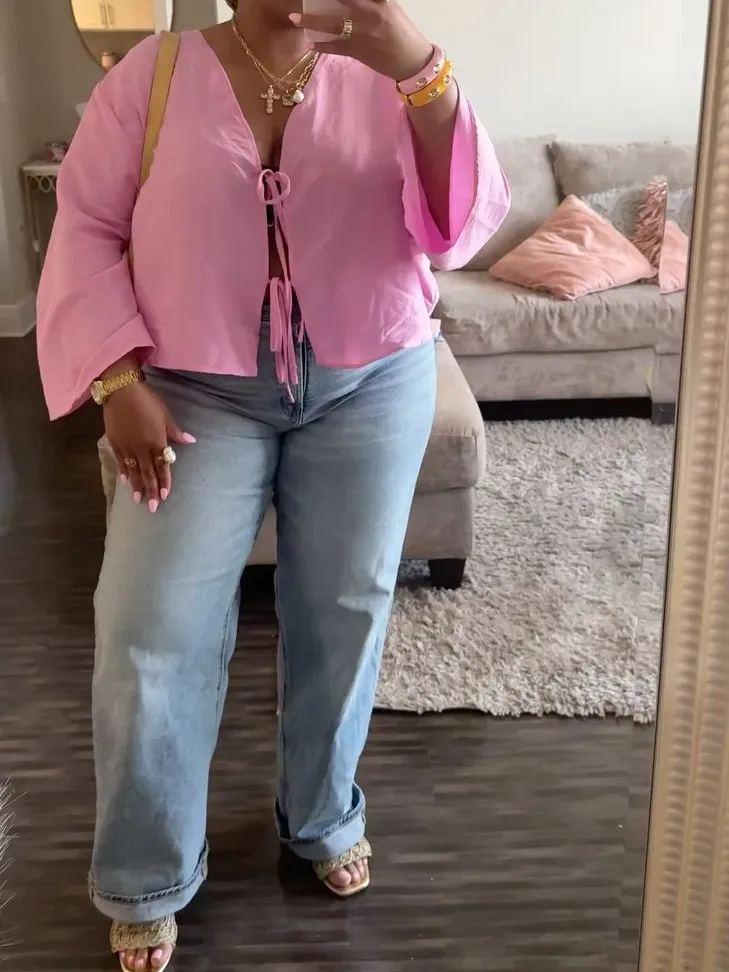
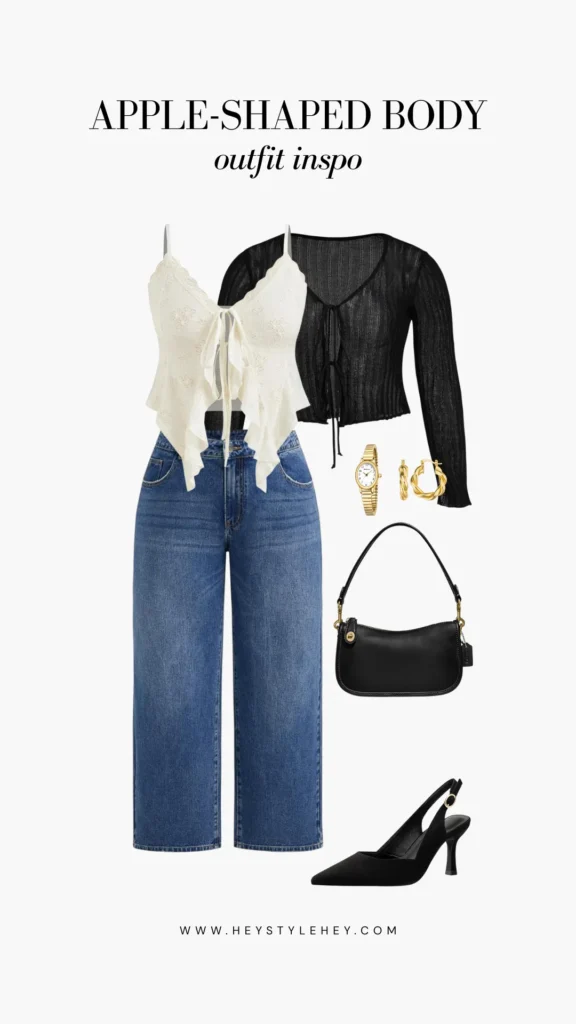
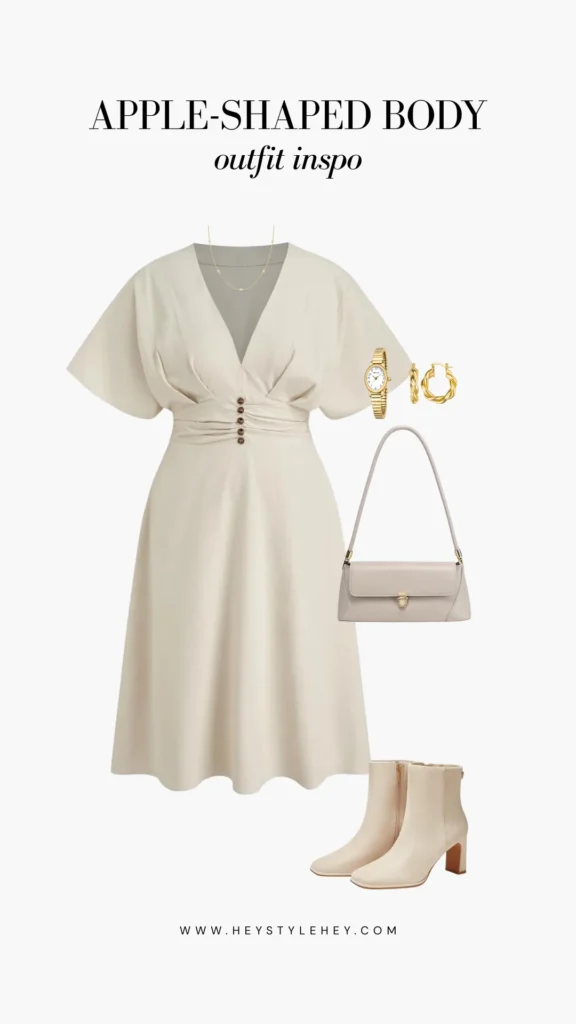
The apple body shape carries more fullness through the center of the torso, while the arms and legs often feel lighter and more defined. When you look at the outline as a whole, the middle forms a smooth, rounded shape, and the lower body creates a slimmer base.
For this silhouette, creating a sense of length through the upper body can make everything feel calmer and more open.
I think of apple styling as guiding the eye upward and downward at the same time so the center feels supported without drawing extra attention. When the neckline, hemline, and fit work together, the whole look settles into a clean vertical line.
Styles That Work Well
- V or open necklines: These shapes gently stretch the upper body and create space around the chest and shoulders.
- Relaxed tops that skim the body: A soft drape gives your torso room to breathe while still keeping your outline smooth.
- Straight leg trousers: This cut keeps your lower body balanced and gives your legs a steady, elongated look.
- Empire waist dresses: By lifting the waistline slightly, the shape flows downward in a gentle curve that feels comfortable and flattering.
Styles to Skip Sometimes
Pieces that cling through the midsection can add more volume than you want and place too much focus on the center. Softer structures usually support this silhouette more naturally.
Outfit Ideas to Try
5. Rectangle Body Shape
The rectangle body shape has a straight and even outline from the shoulders down to the hips, with a gentle curve at the waist. When you look at this silhouette, everything forms one clean line, which gives the shape a calm and balanced feel.
Because the proportions move in a steady way, styling becomes about adding a bit of shape and movement so your outfits feel more dimensional.
I see this silhouette as a relaxed starting point. When you add structure in the right places or soften certain areas, the entire look shifts in a subtle and very pretty way.
Styles That Work Well
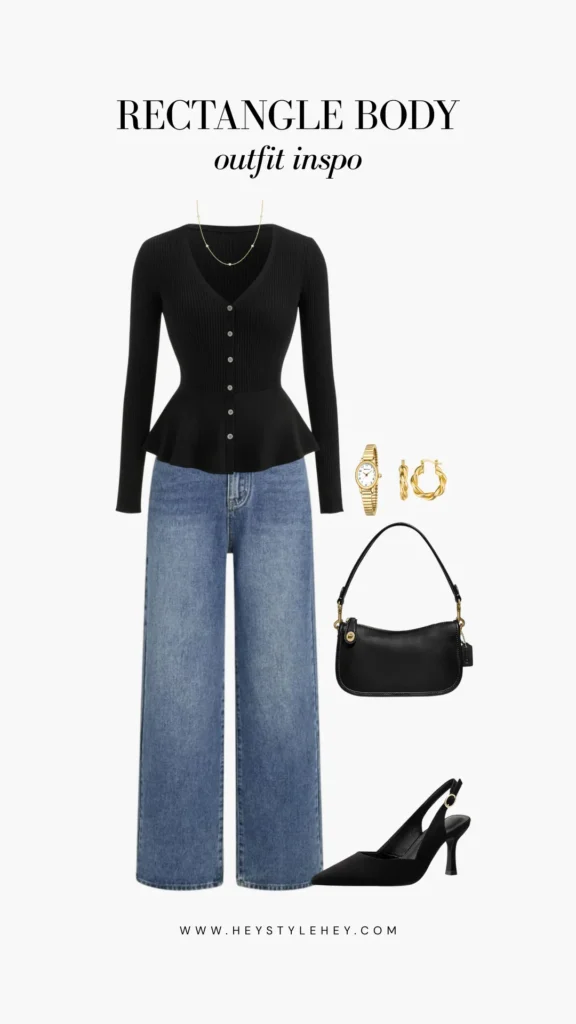
- Peplum or softly shaped tops: These tops add fullness around the waist and create a natural curve.
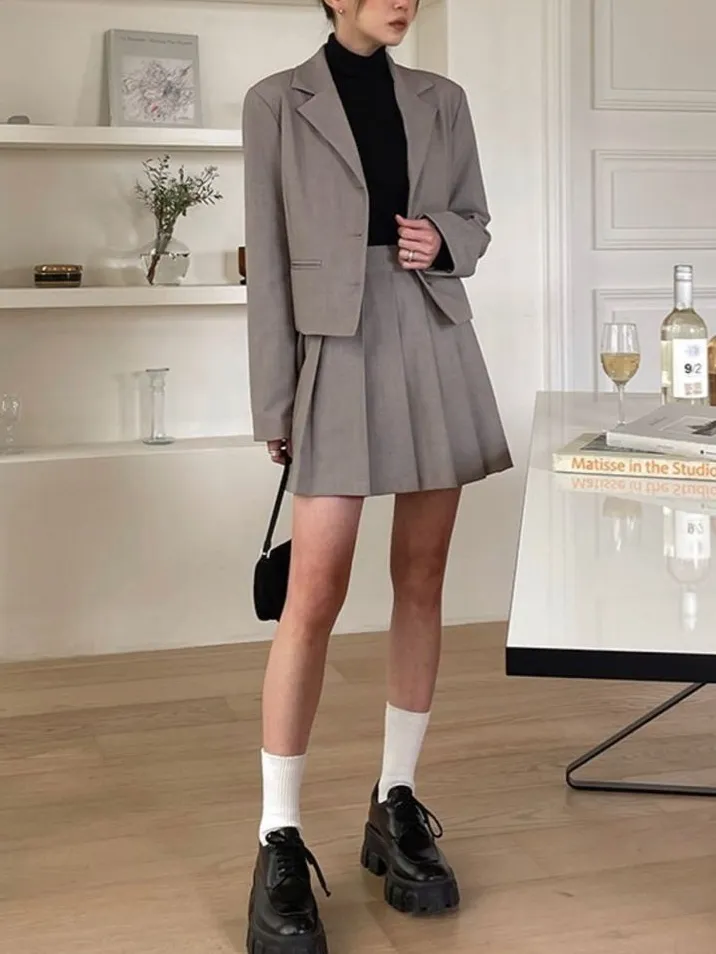
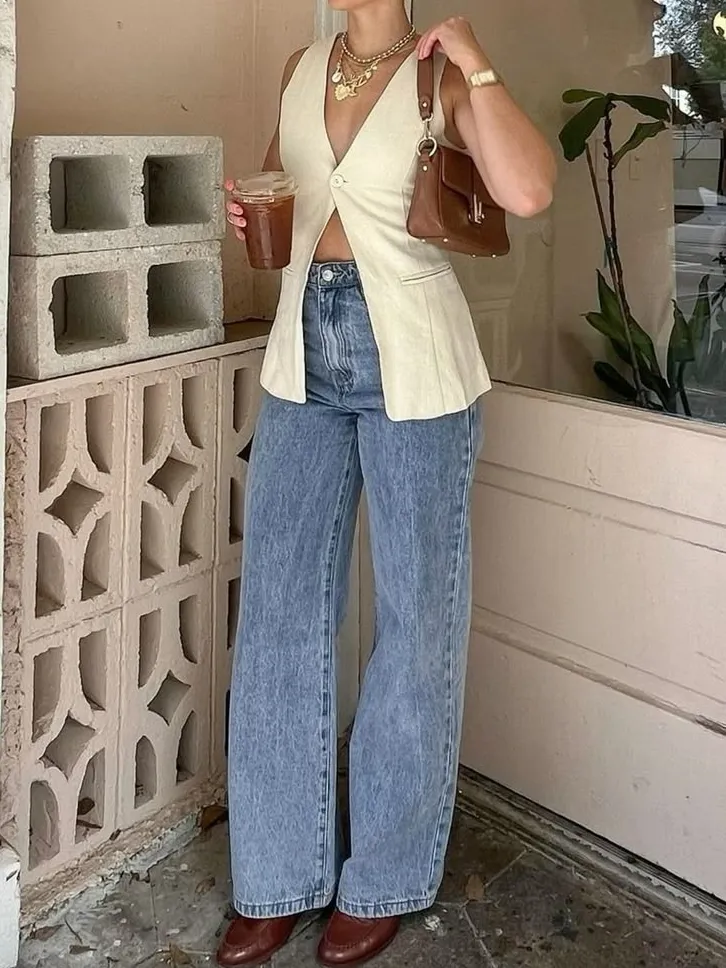
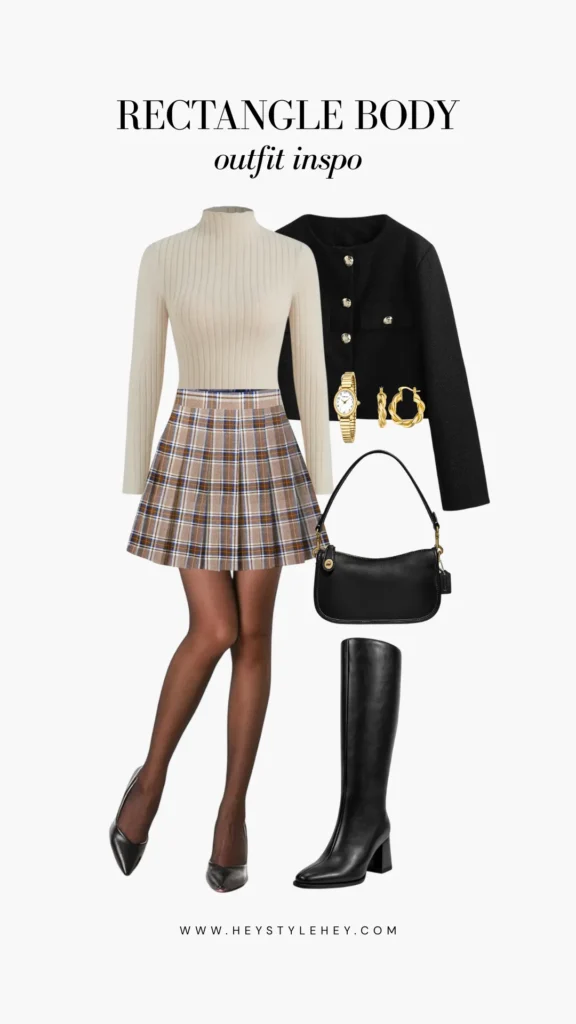
- Cropped jackets: Shorter lengths lift your proportions and help define the center of your silhouette.
- High waist bottoms: Raising the waistline brings attention to your middle and gives your legs a longer look.
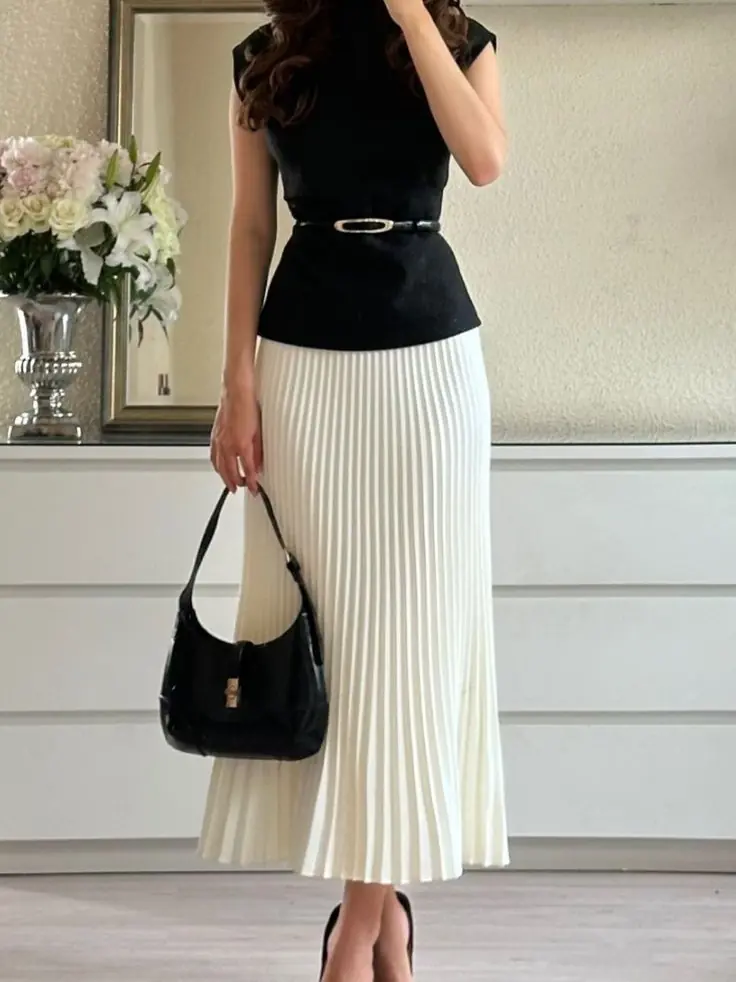
- Pleated or flowy skirts: A gentle flare adds movement and helps your outline feel more sculpted.
Styles to Skip Sometimes
Oversized pieces with a very straight cut can make your shape feel flat from top to bottom. A touch of structure usually gives your outline more life and definition.
Outfit Ideas to Try
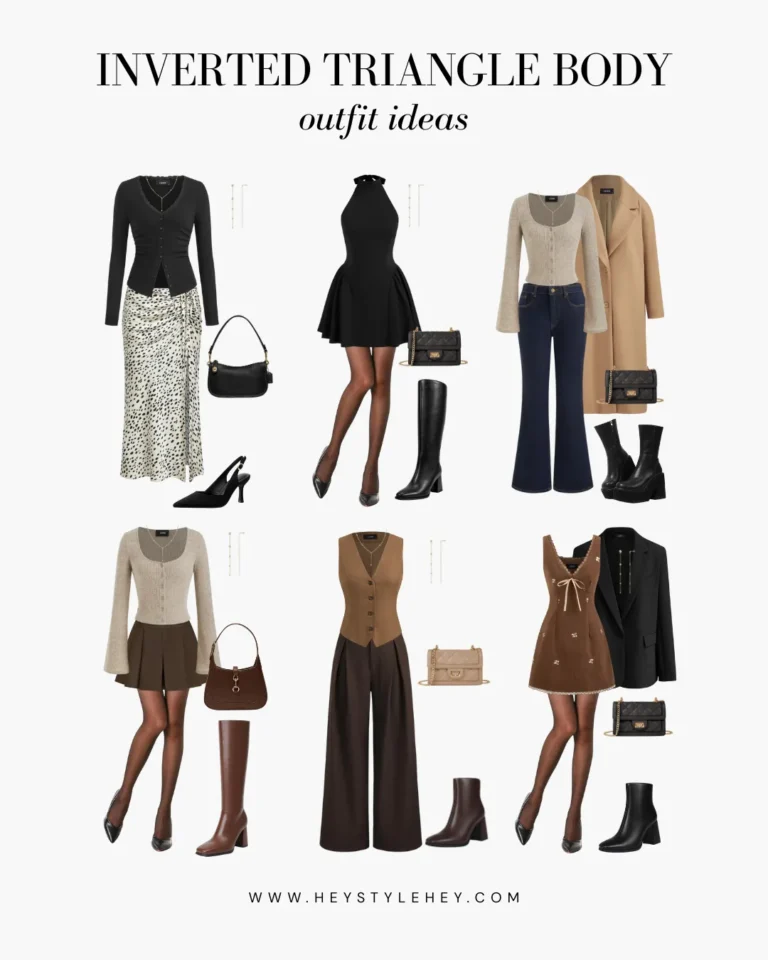
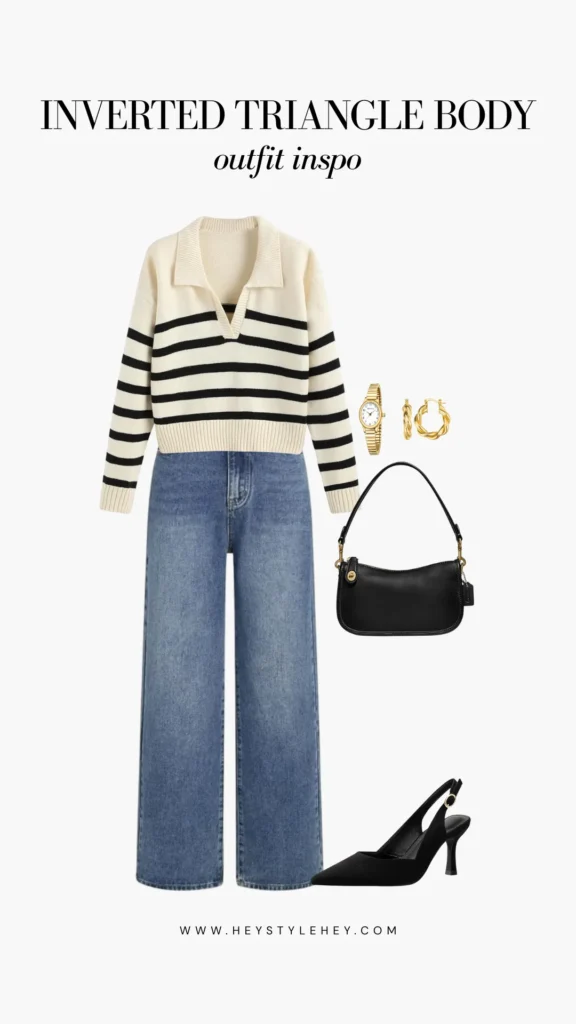
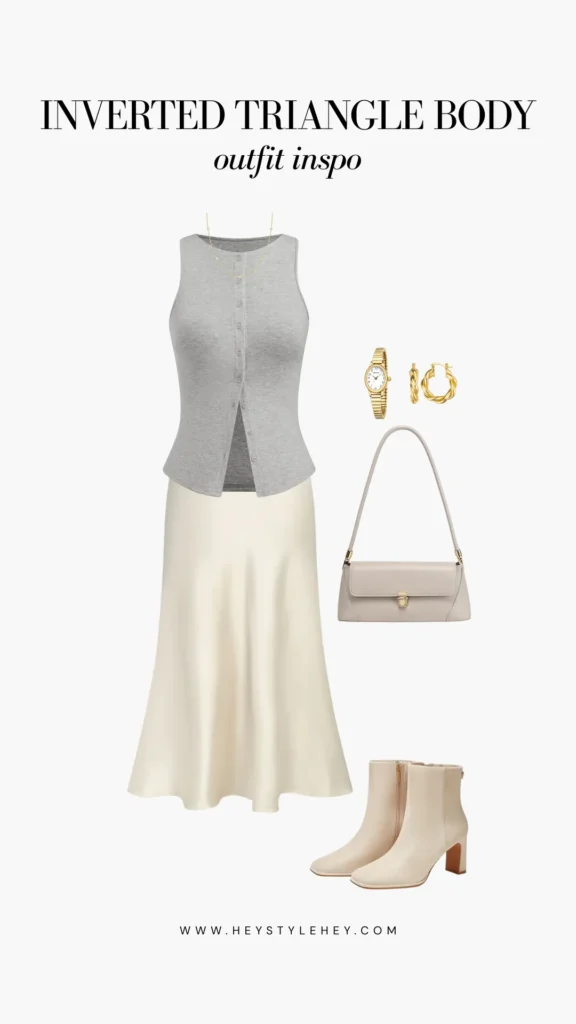
6. Inverted Triangle Body Shape
The inverted triangle body shape has a strong, defined look through the shoulders, and the body gently narrows as it moves downward. Viewed from the front, the upper frame feels open and substantial while the waist and hips create a slimmer, softer line.
Because the attention naturally goes to the shoulders first, the goal is to bring a little more presence to the lower body and let the top relax.
Paying attention to the neckline helps set the tone for the entire outfit, since even a small shift around the collarbone can change the balance of your proportions. From there, adding some movement or width to your pants or skirts creates a smoother transition from top to bottom.
Pieces That Feel Great on This Shape
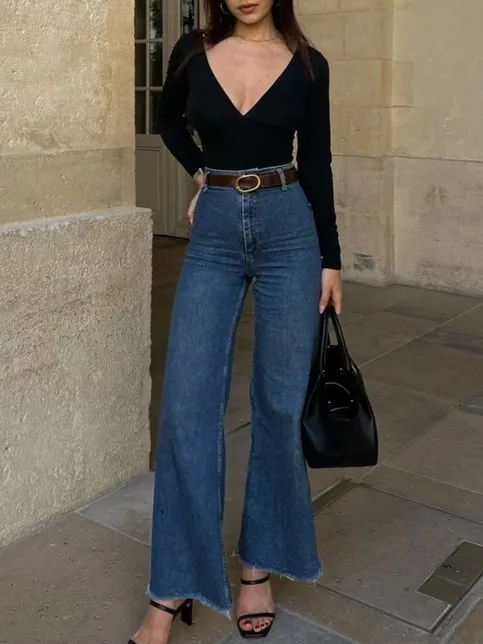
- Open necklines: A V shape or a gentle scoop brings the gaze inward and creates room around the shoulders without forcing anything.
- Light, easy tops: Simple lines and softer fabrics help your upper body settle into a calmer presence. It feels almost like the top half takes a deep breath.
- Wide or relaxed trousers: Adding width to your lower body balances the strength of your shoulders and anchors your silhouette.
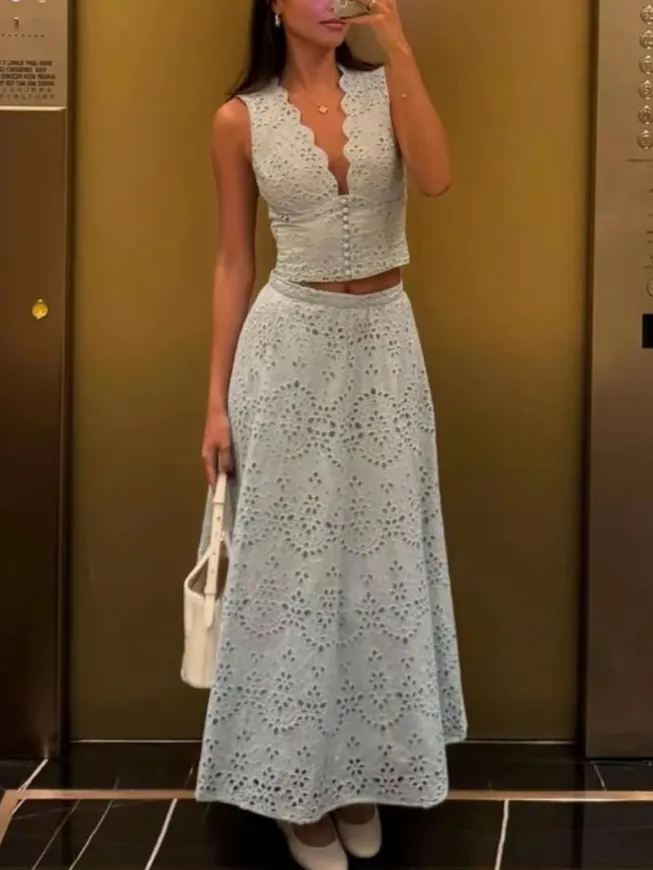
- Skirts with a bit of movement: A line or softly draped skirts bring flow to the lower body and round out your proportions in a very natural way.
What You Might Choose Less Often
Structured shoulders, thick necklines, or heavy details around the chest can make the upper frame feel bulky. A cleaner and more open design usually supports this shape with less effort.
Ideas You Can Try Right Away
7. Universal Tips for Any Body Type
No matter your body type, a few simple ideas make your outfits fall into place with much less effort. These are the foundations I rely on most often, and they always bring a little more balance to any look.
Fit matters the most
When the fit follows your natural outline, almost everything looks cleaner and more intentional. Even small adjustments can change the entire mood of your outfit.
Match your shoulder line
The way a shoulder seam sits decides the structure of your whole look. A clean shoulder line gives your silhouette a steady, balanced base.
Check the length of your hems
The length of your tops, pants, skirts, or outerwear shapes your proportions more than you think. A few inches higher or lower can completely shift your outline.
Decide where you want the eye to land
Your waist, neckline, and hemline act like markers. When you place emphasis on the right one, the rest of your body falls into a natural harmony.
Use fabric and pattern to guide attention
Soft textures, structured materials, and even subtle patterns can draw the eye exactly where you want. When you use them with intention, your outfit feels more balanced without extra effort.
8. Common Mistakes and Myths to Avoid
Even when you understand your body type, a few habits can make styling feel more confusing than it needs to be. These are the misunderstandings I see most often, and clearing them up can change the way your outfits come together.
Your body type is not a fixed category
Many people think they fit into one shape forever, but your silhouette can shift with posture, weight distribution, or even the styles you prefer. It helps to see body type as a guide rather than a strict label.
Wearing the wrong size
A piece that is too loose or too tight can distort your proportions. Choosing the size that actually follows your natural outline is far more flattering than sizing up or down without intention.
Using oversize pieces only to hide your body
Oversize items can look amazing, but they work best when they add shape or movement, not when they turn your silhouette into one large block. The key is choosing volume with purpose, not as a cover.
Following every trend without considering your proportions
Trends can be fun, but not every silhouette works the same way on every body. When you choose styles that support your proportions first, trends become easier to adapt and enjoy.
more style tips
Here is where we wrap up how to dress for your body type, the simple ideas that help you see your shape a little more clearly and choose pieces that feel right on you.
I hope this gives you a bit of direction the next time you get dressed and makes the process feel a little easier.
So, how do you see your own body type? And do you think these tips will help you feel more confident in your style?