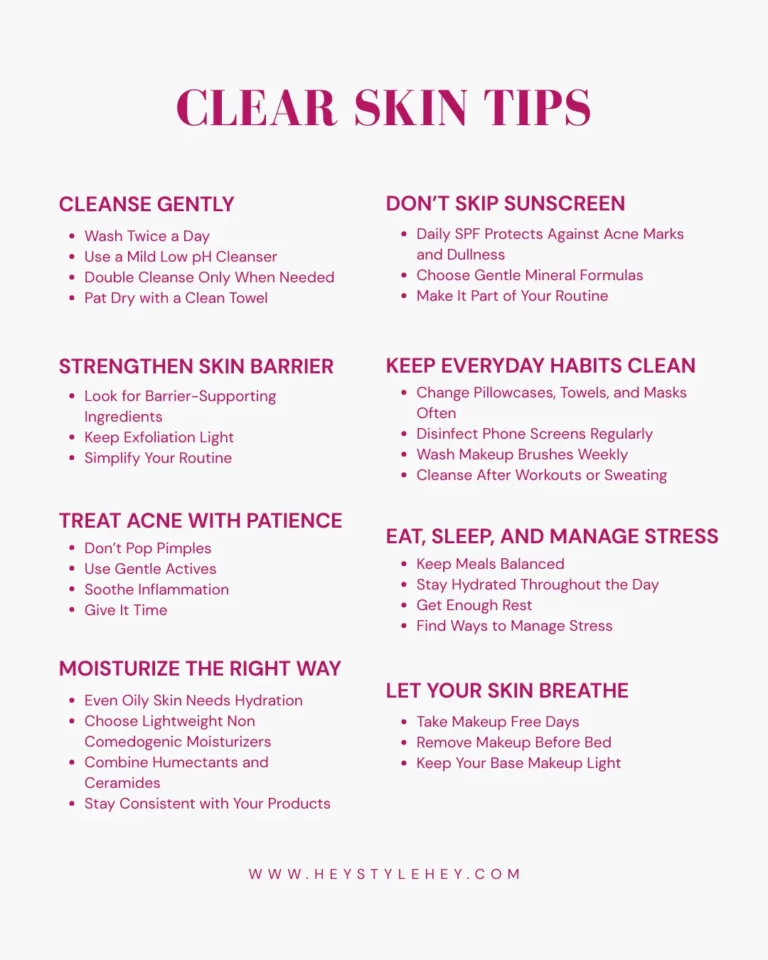
The phrase “clear skin” often comes with a big misunderstanding. People think it means scrubbing your face until it squeaks.
I used to think that too. The cleaner my skin felt, the better I thought it was working.
But eventually, I learned that clear skin isn’t about perfection. It’s about balance.
The routine I’m sharing here is the only one that’s ever made my skin feel genuinely calm. No stinging, no peeling, no random breakouts.
Just steady, clear, comfortable skin that stays consistent even when the weather changes or when I try something new.
What “Clear Skin” Really Means
First things first, so what does clear skin actually mean? It means skin that feels healthy, balanced, and calm, the kind that stays comfortable without much effort.
Here’s what it usually looks like:
- Even tone: Your complexion looks consistent, with an even color and soft radiance.
- Smooth texture: The surface feels soft and refined, free from roughness or buildup.
- Natural glow: Your skin looks hydrated, fresh, and full of life.
Clear skin is all about steady balance and simple care, skin that feels good and confident on its own.
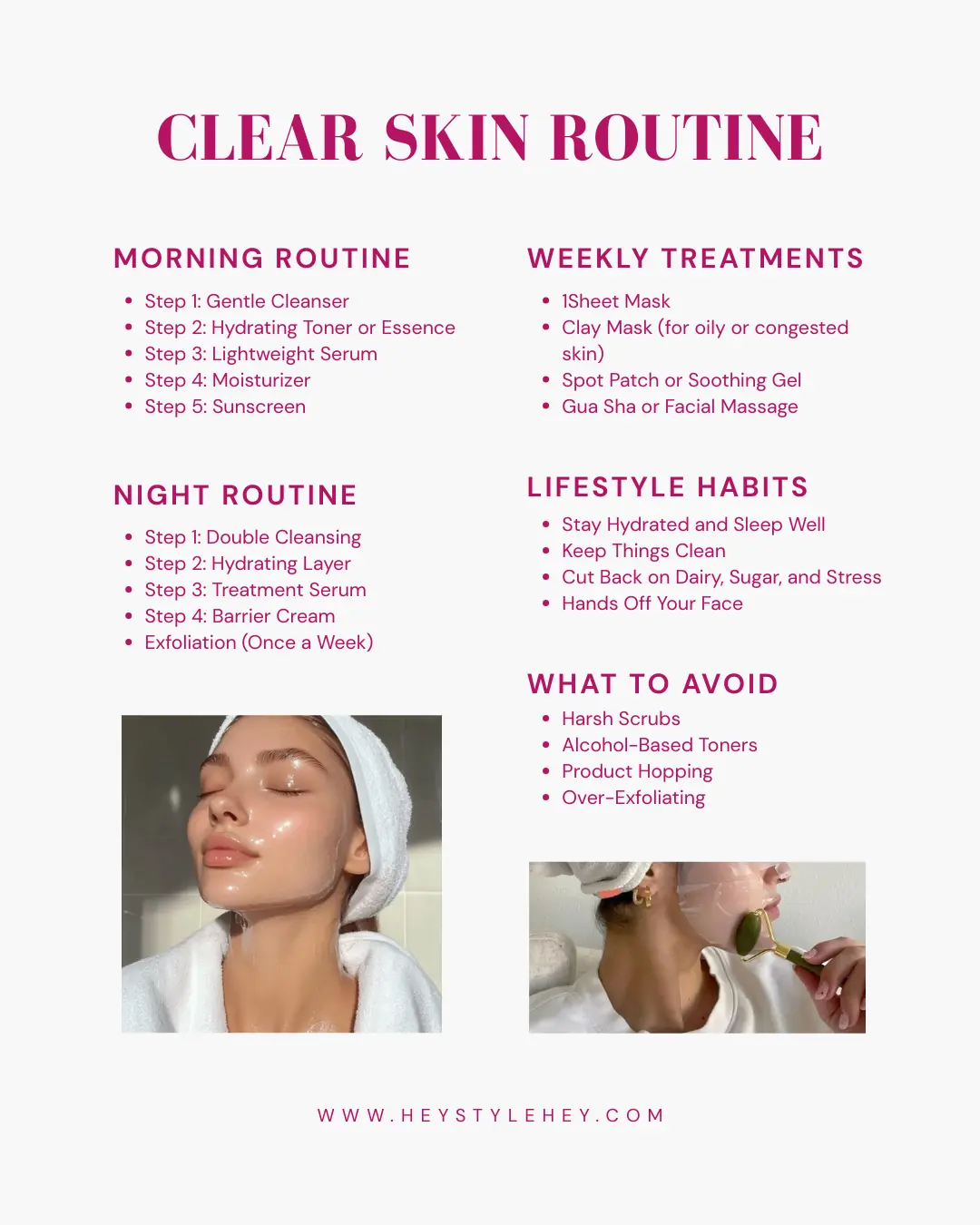
Morning Routine
Your morning clear-skin routine should feel calm and easy—just a few gentle steps that wake up your skin without overloading it. Focus on light hydration and a soft finish so everything feels fresh and balanced before sunscreen.

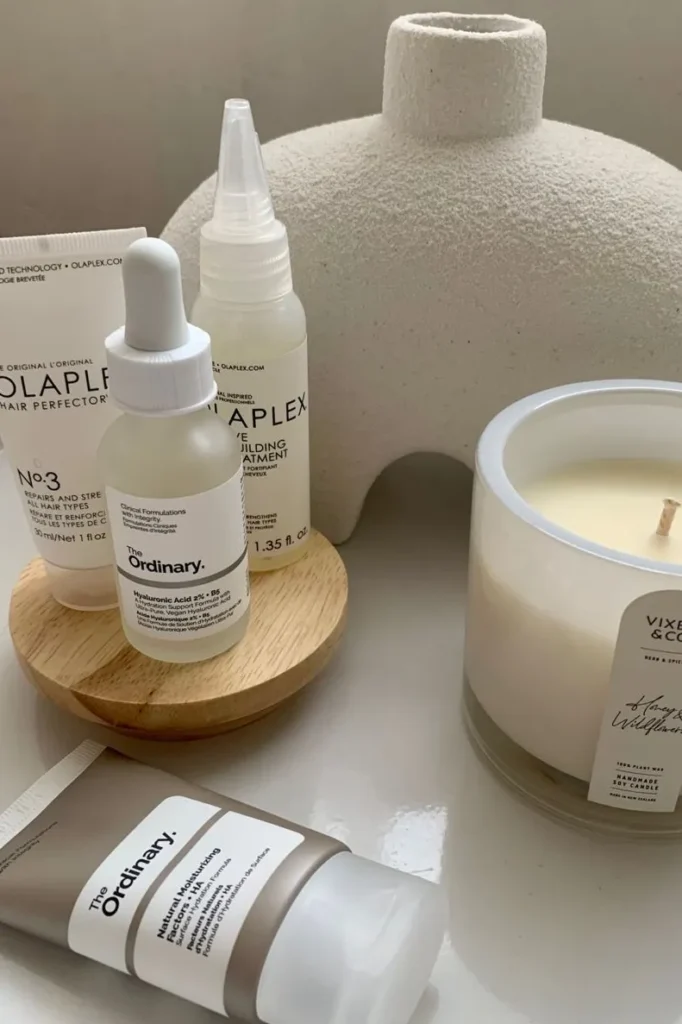
Step 1: Gentle Cleanser
If you want clear, calm skin, how you wash your face in the morning matters more than you think.
I like to rinse with lukewarm water first; it’s gentle and helps your skin stay balanced. Then I use a low-pH gel cleanser and massage it in for about 20 seconds. It removes the light oil and sleep residue without leaving that tight, dry feeling afterward.
If your skin leans dry or sensitive, you can even skip the cleanser and just do a water rinse — your skin will thank you for it.
When choosing one, look for words like “gentle,” “hydrating,” “low pH.” Ingredients such as glycerin, panthenol, or beta-glucan help your skin stay soft and comfortable.
Quick tip: If your face ever feels squeaky after washing, that’s a sign your barrier’s not happy. Try switching to something milder and see how much calmer your skin feels.
Step 2: Hydrating Toner or Essence
After cleansing, your skin’s like a sponge, it’s ready to drink up moisture. A hydrating toner or essence helps your skin stay plump and balanced all day.
I like to pour a few drops into my hands and press it gently into my skin instead of using cotton pads. If your skin feels tight or dull, try layering it once or twice instead of doing one heavy swipe. It absorbs better and keeps your face dewy, not sticky.
Look for ingredients like glycerin, hyaluronic acid, beta-glucan, or centella. These calm irritation while keeping your moisture barrier happy.
And if you wear makeup later, let each layer sink in for a few seconds. That’s what keeps your base smooth.
Step 3: Lightweight Serum
Morning skincare doesn’t need ten serums, just one that fits your skin’s mood. I usually go for Vitamin C to brighten and protect, or Niacinamide when my skin feels uneven or oily.
Apply a few drops, pat it in, and give it a moment to settle before moving on. It should feel weightless, not tacky. If Vitamin C serums have irritated you before, start with gentler versions or lower percentages.
Step 4: Moisturizer
A good moisturizer just needs to seal in hydration without feeling greasy.
I love a gel-cream texture that disappears into the skin but still leaves it soft. Ingredients like ceramides, squalane, and panthenol help your skin stay calm throughout the day.
If your skin looks shiny by lunchtime, your cream might be too heavy. If it feels dry or tight, go for something a little richer. The right one should make your face feel balanced, not oily, not thirsty.
Quick tip: Don’t skip moisturizer just because you’re oily. Hydrated skin actually produces less excess oil.
Step 5: Sunscreen
This is the step that actually keeps your skin clear. Sunscreen protects your barrier, prevents dark spots, and keeps your routine working long-term.
I recommend using a broad-spectrum SPF 30 or higher every morning, even on cloudy days. I usually apply about two fingers’ worth for my face and neck. Then, let the moisturizer set for a minute before applying SPF so it glides on evenly.
If you like a matte finish, go for mineral sunscreen. If you want something invisible and flexible under makeup, chemical formulas are your friend.
Quick tip: Reapply every couple of hours when you’re outside. I always bring a stick sunscreen in my bag to make it easy to tap over makeup.
Night Routine
At night, your skin finally gets a chance to rest and rebuild. So instead of layering on every product you own, think of it as helping your skin reset.


Step 1: Double Cleansing
If you wear sunscreen or makeup, taking an extra minute for this step really helps because a cleansing balm or oil melts everything down, including mascara, SPF, and city dust.
Gently massaging for about 30 seconds helps loosen any buildup, and a quick rinse followed by a low-pH gel cleanser leaves your skin fresh without feeling stripped.
If you don’t wear anything heavy, one gentle cleanse is enough because overwashing can actually do more harm than good.
Quick tip: Your skin should feel soft and fresh afterward, not tight. If it squeaks, your cleanser’s too strong.
Step 2: Hydrating Layer
After cleansing, your skin’s barrier is open and ready to drink in hydration. Use a soothing toner or essence to rebuild moisture and bring your skin back to balance.
I like to pour a few drops into my palms and press them in slowly because it feels grounding and helps the product absorb better.
You can look for calming ingredients like centella, green tea, or panthenol if your skin tends to get red or warm. The goal is to leave your face feeling comfortable before moving on.
Step 3: Treatment Serum
Nighttime is when your serum can really make a difference.
- Dry skin loves barrier-repairing ingredients like ceramides and panthenol.
- Oily or breakout-prone skin does better with niacinamide or salicylic acid for gentle clarity.
- If your skin’s been reactive, cica or madecassoside can help calm it down overnight.
I usually keep it simple. One serum that matches what my skin needs that day. Mixing too many actives never ends well, and I’ve learned my skin behaves best when I keep it focused.
Quick tip: Rotate your serums based on how your skin feels instead of following a strict schedule.
Step 4: Barrier Cream
This is the part where you lock it all in. You’ll want to choose a light but cushiony moisturizer that seals hydration without feeling heavy. Ceramides, cholesterol, and squalane help rebuild your skin barrier while you sleep.
I like to warm the cream between my hands first because it melts in more evenly and gives that soft, moisturized finish by morning. If your cheeks or the sides of your nose feel dry, press a little extra there.
Exfoliation (Once a Week)
Exfoliation is something you do only when your skin asks for it.
I think once a week is enough to keep the surface smooth without stressing your barrier. Gentle acids like PHA or low-strength BHA clear away dead cells while keeping your skin soft and even.
Quick tip: If your skin stings, it’s not “working harder”, it’s telling you to slow down.
More Beauty TIps
Weekly Treatments
Weekly treatments are just a way to give your skin a little extra care when it needs it. They help you reset your routine and keep everything feeling balanced throughout the week.
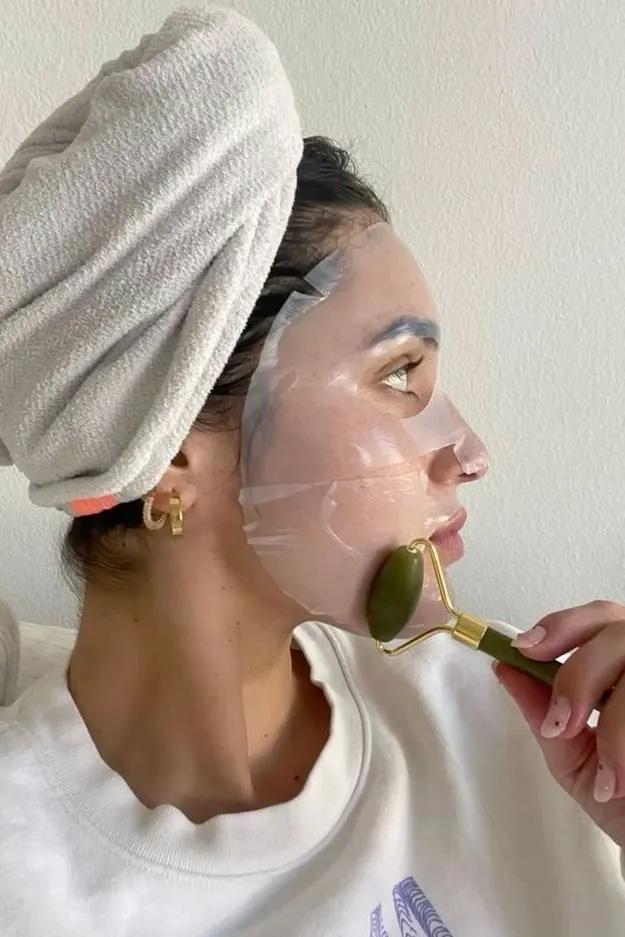

1. Sheet Mask
A sheet mask is the easiest way to calm your skin when it feels stressed or dry.
I usually do this once a week, but when the weather gets harsh, I try to do it every day. I like soothing options with aloe vera or cica, especially on days when my skin looks a bit dull or irritated.
Around ten to fifteen minutes is enough, and if you leave it on too long, it can actually start to pull moisture back out.
Quick tip: Store a few masks in the fridge. That cool touch can calm redness instantly.
2. Clay Mask (for oily or congested skin only)
If your skin tends to get oily or you notice clogged pores around your T-zone, a clay mask can help.
It absorbs excess sebum without stripping your skin, leaving it smoother and more balanced.
Make sure to rinse before it fully dries, because when clay starts to crack, it usually means it’s taken too much moisture with it.
3. Spot Patch or Soothing Gel
Breakouts happen, even with the best routines. That’s when spot patches or a light soothing gel come in handy. They keep bacteria out and help flatten spots faster without picking or irritation.
I’ve noticed that patches with hydrocolloid or centella calm inflammation overnight, especially when applied right after cleansing.
Quick tip: Use them on clean, dry skin, otherwise they won’t stick properly.
4. Optional: Gua Sha or Facial Massage
Using a gua sha or giving yourself a gentle facial massage can really help with circulation and puffiness, especially at night.
I like to take it slow and use a bit of facial oil or essence so it glides easily. It’s more about relaxing than trying to sculpt anything.
Just a few minutes can make your skin feel fresher and more awake the next morning. It’s one of those little rituals that make your routine feel calm and grounding.
Quick tip: Always glide upward and outward, never tug.
Lifestyle Habits for Clear Skin
Skincare goes beyond your bathroom counter, and the small habits you build every day slowly shape how your skin looks and feels.

1. Stay Hydrated and Sleep Well
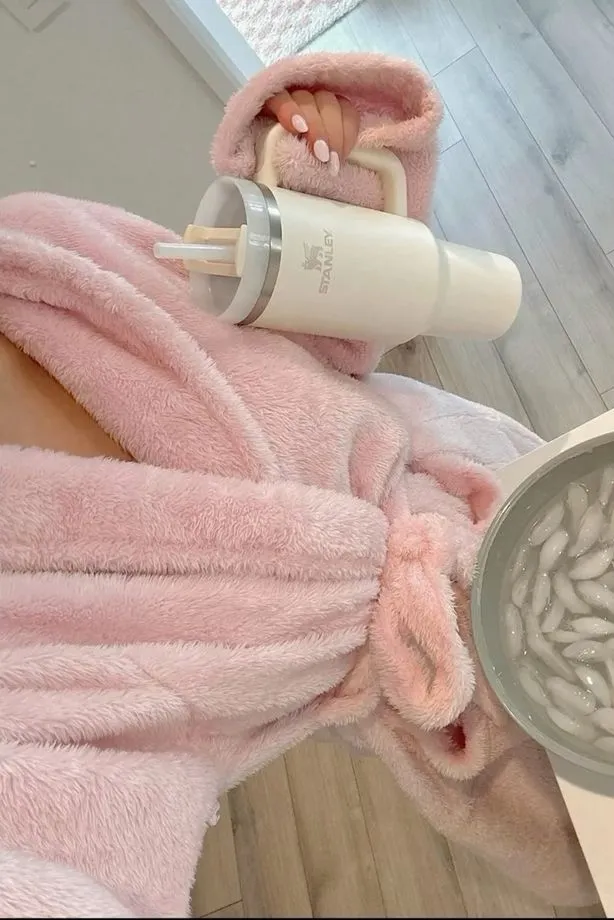
Your skin reflects how well you rest and rehydrate. Drinking enough water helps your barrier stay supple, while sleep gives your skin time to repair.
I always notice my skin looks calmer after a full night’s rest without any fancy serums. I also like to keep a large tumbler on my desk or nightstand so sipping feels natural, not like a chore.
2. Keep Things Clean
Small hygiene habits make a bigger difference than most people think.
Changing your pillowcases weekly and wiping down your phone screen regularly keeps bacteria from settling onto your face. It’s the kind of step you don’t notice until you skip it, and then suddenly a few breakouts appear where your cheek touches the pillow.
3. Cut Back on Dairy, Sugar, and Stress
Yes, what you eat really does matter for clear skin.
High sugar or dairy can trigger breakouts for some people, while constant stress keeps inflammation active.
When I go a little overboard with sweets or milk-based desserts, I always end up seeing a few tiny breakouts around my chin.
I don’t want to say cut them out completely, but I try to keep my meals balanced and pay attention to what makes my skin react so I can adjust from there.
4. Hands Off Your Face
I know… It’s such a simple rule, but maybe the hardest one to follow.
Touching your face throughout the day transfers oil and bacteria that can easily clog pores. I used to rest my chin on my hand while studying or working, and it always led to small breakouts along my jawline.
So, it really helps when you start noticing how often your hands end up on your face. Your skin will quietly thank you for it.
What to Avoid
Sometimes keeping your skin clear just comes down to knowing what to skip. A few small changes in what you don’t do can make a bigger difference than any new product ever could.


1. Harsh Scrubs and Alcohol-Based Toners
Anything that leaves your skin stinging or squeaky isn’t helping.
Harsh physical scrubs and strong, alcohol-heavy toners might feel “clean” in the moment, but they quietly break down your barrier over time. I used to think that tingling meant a product was working. Now I know it usually means irritation.
If you like that fresh, smooth feeling, try a mild enzyme cleanser or a gentle exfoliating pad instead.
2. Product Hopping
I know, it’s easy to get caught up in skincare trends. When you scroll through TikTok, there’s always a new serum or “miracle” cream making the rounds.
But switching products too often can confuse your skin and keep it from finding balance. It helps to stick with a routine for at least a couple of weeks before you decide whether it’s working.
3. Over-Exfoliating
More exfoliation doesn’t mean clearer skin.
Doing it too often can strip your barrier and leave you more sensitive than before. Once or twice a week is plenty, depending on your skin type and what else you use.
If you’re already using actives like retinol or acids, skip physical exfoliants altogether.
More Beauty TIps
So, this is the clear skin routine I really wanted to share with you. It’s simpler than you think, and once you find what truly feels good for your skin, it naturally starts to look clearer day by day.
Are you ready to start yours?