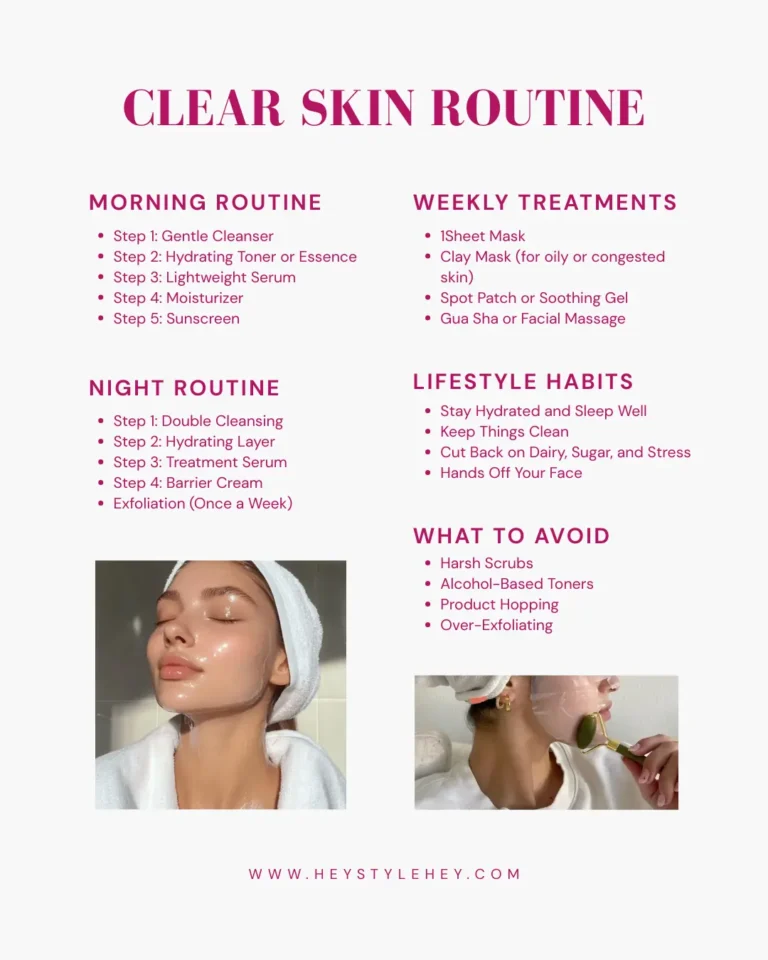
I used to think getting clear skin was all about finding the perfect product. If it tingled or burned, I took it as a sign it was working. Turns out, it wasn’t.
After trying so many things and reading all kinds of advice on how to get clear skin, I realized the truth is quieter than all of that.
What actually makes a difference are the small, steady things — the habits that protect your skin barrier, calm irritation, and give your face room to find its balance again.
If that sounds familiar, you’re in the right place. These clear skin tips help your skin breathe, stay calm, and slowly feel right again.
Ready to start? Let’s take it slow and see what really makes a difference.

Cleanse Gently
If clear skin is about balance and calm, it always starts here — cleansing. How you wash your face sets the tone for everything that follows. A good cleanse should leave your skin fresh and comfortable, not tight or overworked.

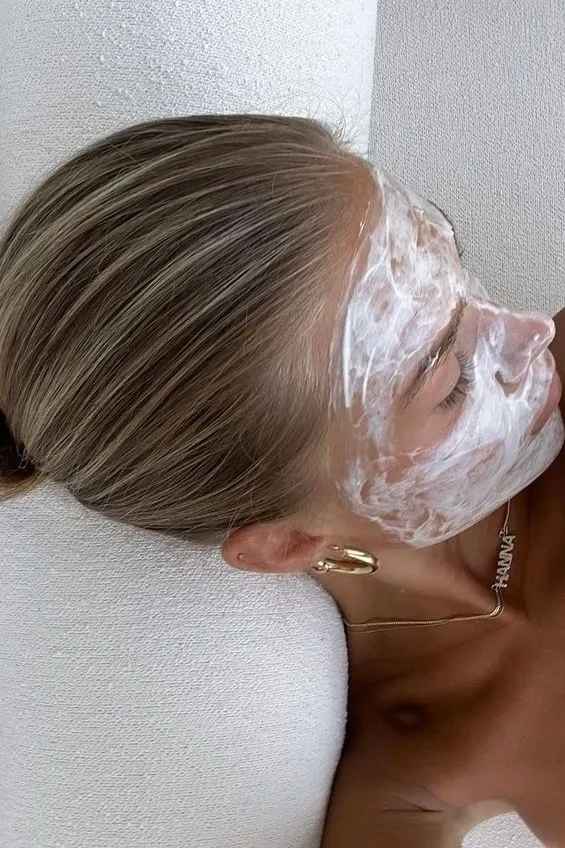
1. Wash Twice a Day
A gentle cleanse in the morning wakes your skin up and wipes away the light oil and heat from sleep. Cleansing again at night clears the day off your face: sunscreen, sweat, city air, everything your skin has carried.
Two calm washes keep your skin feeling clear and steady, like it can breathe through the day and rest at night.
2. Use a Mild Low pH Cleanser
A low pH formula keeps your skin barrier in its natural state, around 5.5, slightly acidic and balanced. That balance helps your skin stay hydrated and strong through the day.
I’ve been using low pH cleansers for years now, mostly because they feel so mild and never leave that squeaky, dry finish I used to think meant “clean.” If your skin leans dry or sensitive, a soft formula like this makes a huge difference.
3. Double Cleanse Only When Needed
Double cleansing used to be seen as the gold standard for getting your face really clean. I kind of agree, but not completely. It depends on your skin type and how much you wear during the day.
If you wear makeup or sunscreen, go for it — a cleansing balm or oil first, then your regular gentle wash. When you don’t, one calm cleanse is all you need. Your skin stays clean without feeling overworked.
4. Pat dry with a clean towel
After rinsing, use a soft towel and press it gently against your skin to absorb the water. Rubbing creates friction that can irritate your skin and weaken the surface barrier, especially when it’s damp and more delicate.
A few light pats are enough. Your skin should still feel slightly dewy and calm, not completely dry. That’s the best base for the next step of your routine.
Strengthen Your Skin Barrier
If your skin often feels red, tight, or easily irritated, it’s usually your barrier asking for help. A strong barrier keeps moisture in and shields you from everything that tries to mess with it — pollution, heat, cold air, even over-cleansing.

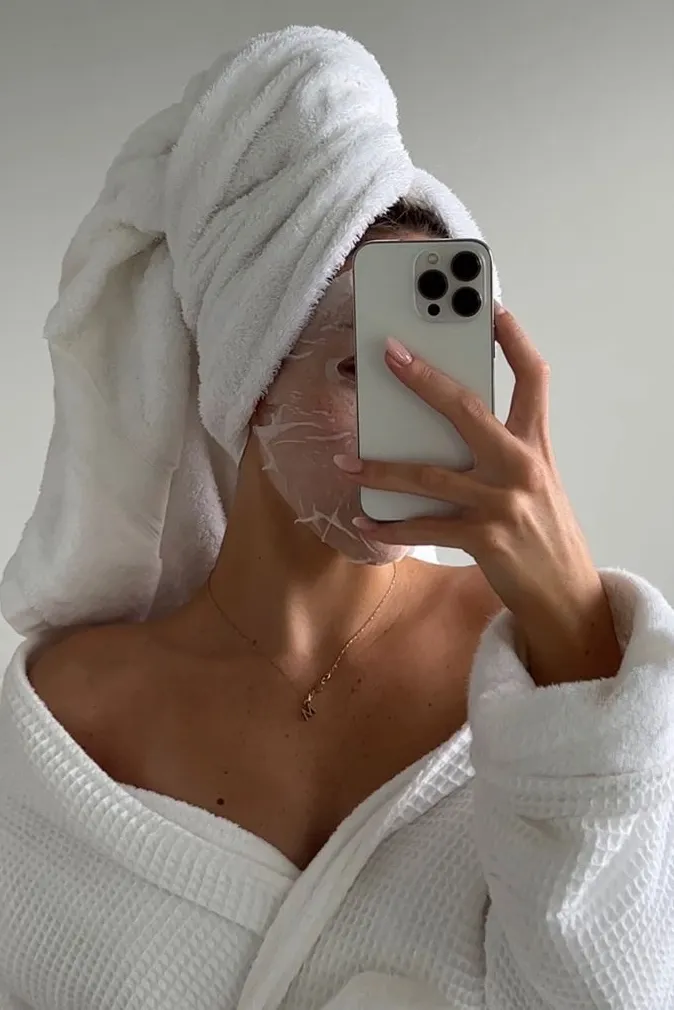
5. Look for Barrier-Supporting Ingredients
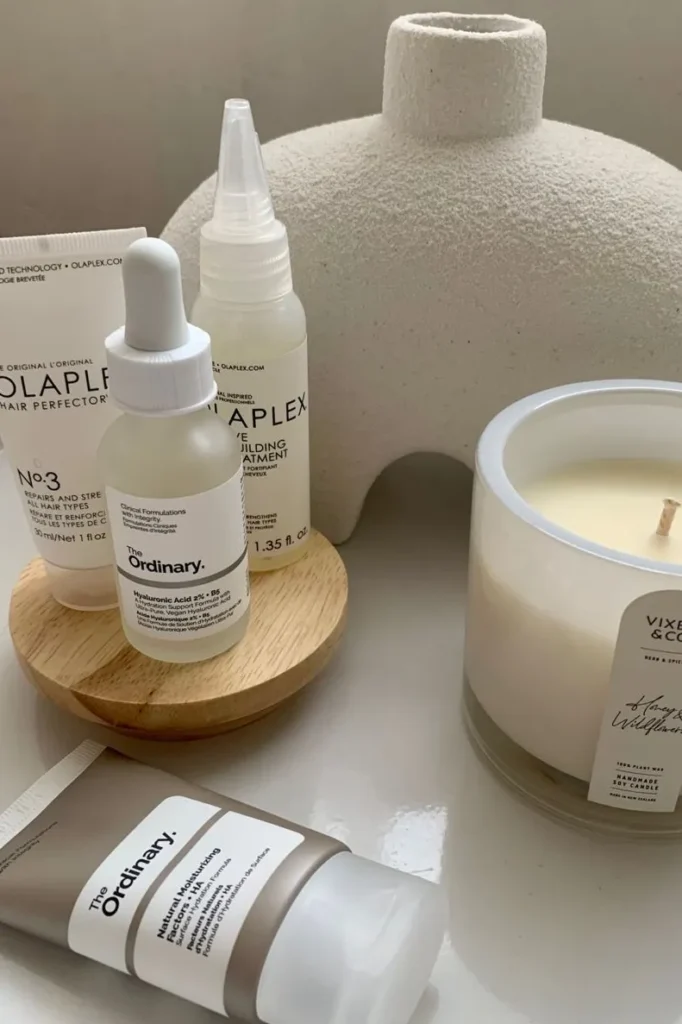
Ceramide, panthenol, and niacinamide are three that make a real difference. They help rebuild the surface layer and calm the redness that comes from dryness or stress. I started paying attention to ceramides a few years ago, and my skin stopped feeling like sandpaper in winter.
6. Keep Exfoliation Light
Some people love exfoliating, and it’s true that gentle exfoliation once or twice a week can help with skin turnover and keep your complexion looking fresh. But in my experience, doing it too often weakens the barrier faster than anything else, especially if your skin leans dry or sensitive.
Mine does, so I barely exfoliate anymore — cleansing twice a day feels enough to keep it clear and smooth. If your skin likes a little exfoliation, keep it light and give it time to recover between sessions.
7. Simplify Your Routine
It’s easy to think more products mean better skin. However, skin doesn’t always need more, it usually just needs a little break. Too many layers can overwhelm it, with actives, toners, and serums all trying to work at the same time.
When the barrier feels tired, the best move is to pause and go back to the basics. A gentle cleanser, a soothing moisturizer, and sunscreen are all you really need. That’s it.
Treat Acne with Patience
Acne never really clears up overnight. It takes patience, small habits, and a calm approach. Clear skin starts showing up when you finally stop pushing too hard.

8. Don’t Pop Pimples
It’s always tempting, I get it. But popping only spreads bacteria and slows healing. That pressure drives inflammation deeper and often leaves marks that take weeks to fade.
So, really—keep your hands off. It’s one of the simplest and smartest things you can do for clearer skin later.
9. Use Gentle Actives
Salicylic acid, benzoyl peroxide, and retinol each support your skin in a different way. When you focus on one ingredient at a time, your skin has space to adjust and stay comfortable.
With steady care, you start noticing how these actives work quietly beneath the surface, keeping your skin smooth, clear, and calm.
10. Soothe Inflammation
When the skin heats up or feels sore from a breakout, calming it quickly helps prevent lingering redness and marks.
Ingredients like cica, tea tree, and aloe work together to ease irritation while keeping the surface hydrated and stable. They lower the warmth you can feel under the skin and help restore that soft, even look again.
11. Give It Time
Waiting for your skin to heal can feel endless. I know that feeling too. Some days it looks the same, some days worse, and you start wondering if anything is working.
But that is usually when your skin is quietly repairing itself underneath. Keep your routine steady, keep showing up for it, and those calm, clear days do come back.
Moisturize the Right Way
Moisture keeps every skin type balanced and comfortable. When the skin feels hydrated from within, it naturally looks smoother and calmer throughout the day.
12. Even Oily Skin Needs Hydration
Oil does not replace water. When the skin’s moisture level drops, oil glands often produce more sebum to make up for it. This leads to clogged pores and surface shine but dryness underneath. Hydrating from within helps regulate oil production and keeps the skin feeling fresh and stable.
13. Choose Lightweight Non Comedogenic Moisturizers
The best moisturizers work like breathable layers, sealing in hydration without feeling heavy. Gel creams and water based emulsions are great examples. They absorb quickly, smooth the surface, and let the skin stay supple while avoiding buildup inside the pores.
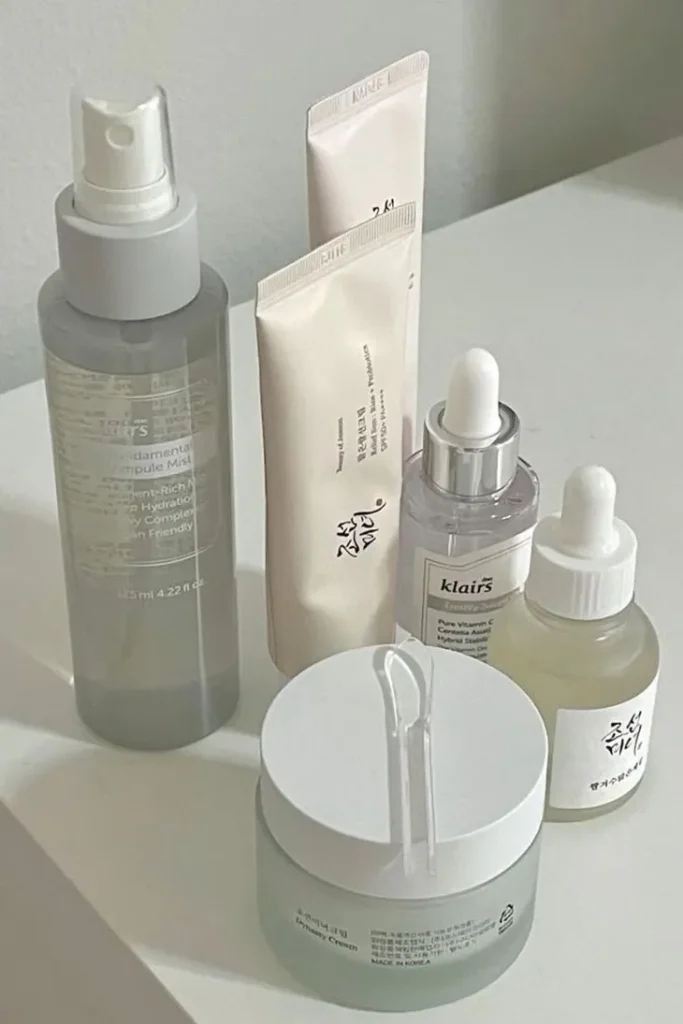
14. Combine Humectants and Ceramides
Humectants such as hyaluronic acid or glycerin pull water into the outer layer of skin, while ceramides act like the glue that holds those layers together.
When used together, they create a soft cushion that helps the skin stay calm even in dry air or changing seasons. This combination supports long term hydration rather than just a temporary glow.
15. Stay Consistent with Your Products
Skin responds best to stability. Switching moisturizers too often keeps it from adapting to the formula and rebuilding its barrier. When you give a product time to settle, the skin starts using moisture more efficiently and stays hydrated on its own rhythm.
more beauty tips
Don’t Skip Sunscreen
I know you’ve heard it a million times, but sunscreen really does make all the difference. It’s what keeps your skin tone even, your texture smooth, and your glow steady through every season.


16. Daily SPF Protects Against Acne Marks and Dullness
UV light triggers inflammation in healing pimples and darkens leftover marks. It also breaks down collagen and moisture inside the skin, making texture rough and tone uneven. With consistent protection, you keep the surface smooth and help new skin form evenly underneath.
17. Choose Gentle Mineral Formulas
Chemical sunscreens absorb UV rays and turn them into heat, while mineral filters reflect light off the surface. For sensitive or breakout prone skin, mineral types or light non comedogenic options help reduce irritation and prevent clogged pores.
They used to leave a white cast, but newer formulas blend in easily and sit comfortably on the skin, acting as both protection and a calming layer throughout the day.
18. Reapply Through the Day
SPF fades naturally with sweat, oil, and touch. Dermatologists recommend reapplying about every two hours, especially if you spend time outdoors. But honestly, it is not always that easy to keep up with.
That is why I started carrying a stick sunscreen. It makes touch ups quick and less messy, even over makeup. It is one of those small habits that keeps the protection steady without feeling like a chore.
19. Make It Part of Your Routine
Sunscreen works best when it’s habitual, not occasional. When used daily, it becomes the quiet step that prevents uneven tone, early lines, and barrier stress. Over time, that small layer is what keeps your skin looking calm and consistent no matter the season.
Keep Everyday Habits Clean
Sometimes it is not the products but the little daily things that quietly cause breakouts. Anything that touches your face can collect oil, dust, and bacteria over time, so keeping them clean helps the skin stay calm and clear.

20. Change Pillowcases, Towels, and Masks Often
Fabric holds more than it looks like: oil from hair, skincare residue, sweat, and even traces of detergent. Over time these layers mix with your skin’s natural sebum and create the perfect environment for bacteria to grow.
Switching to clean pillowcases and towels every few days keeps the surface your skin rests on balanced and fresh, reducing the low grade irritation that often goes unnoticed.
21. Disinfect Phone Screens Regularly
Yup, it’s true. Your phone touches everything your hands do — subway poles, coffee cups, keyboards. By the time it hits your cheek, that mix of oil and bacteria is ready to settle into your pores.
A quick wipe each day with alcohol or a soft microfiber cloth helps reduce that contact irritation. You will notice your skin stays calmer around your jaw and temples, where phone breakouts love to show up.
22. Wash Makeup Brushes Weekly
You might not think about it, but brush fibers hold on to a lot — leftover pigment, oil, and dead skin cells that keep touching your face long after you finish your makeup. When brushes sit around unwashed, that buildup starts to oxidize and can, you know, quietly irritate pores or cause those tiny breakouts that seem to appear out of nowhere.
Make sure to give them a good wash once a week. It keeps the bristles soft and smooth, and honestly, your makeup goes on way better and lasts longer when your tools are clean.
23. Cleanse After Workouts or Sweating
Sweat itself is not harmful, but mixed with bacteria and surface oil it becomes a film that clogs pores fast. After workouts or humid days, cleansing helps clear away that layer before it settles.
Even a light wash with water or a gentle toner cloth helps the skin reset, preventing the dullness and congestion that build up when sweat stays too long.
Eat, Sleep, and Manage Stress
Clear skin starts from small, steady choices that happen off the bathroom shelf. What you eat, how you rest, and the way you handle stress all quietly show up on your skin over time.


24. Keep Meals Balanced
Sugar and heavily processed foods make the skin’s oil production spike and can trigger inflammation beneath the surface. Meals with greens, berries, and omega 3 rich foods support circulation and help your skin stay hydrated from within.
You can feel the difference. Your skin looks calmer and holds moisture better when your diet stays steady.
25. Stay Hydrated Throughout the Day
Drinking too much water all at once doesn’t do much for your skin. Small, frequent sips help your body absorb it properly and keep hydration levels even. It also helps flush out waste and keeps the complexion feeling comfortable, especially in dry weather.
26. Get Enough Rest
Sleep is when your skin repairs itself. About seven hours gives your body enough time to balance hormones and rebuild the barrier that keeps moisture in. You wake up with skin that feels more even and less reactive after a full night’s rest.
27. Find Ways to Manage Stress
As stress builds up, it quietly pushes your oil glands to work harder and slows the skin’s recovery. Sometimes even small things help, like stretching a little, taking a quiet break, or stepping outside for some fresh air. Once you start to unwind, your skin usually follows. It feels calmer, a bit more at ease.
Let Your Skin Breathe
Last but not least, your skin works hard every day, holding moisture in, protecting against pollution, and adjusting to whatever you put on it. Sometimes it just needs a quiet day off to find its rhythm again.


28. Take Makeup Free Days
If you wear makeup every day, you probably know how heavy it can start to feel by the end of the week. Your skin definitely needs a break at least once in a while. Foundation, sunscreen, and setting powders create a thin film over the skin that slows down oxygen exchange and natural oil flow.
When you skip makeup for a day, your skin focuses on repair instead of defense. You might notice that it feels smoother and less reactive the next morning, almost like it finally had time to breathe.
20. Use Breathable Products
Heavy textures and occlusive ingredients trap heat and sweat, which can make pores swell and turn small irritations into breakouts. Light, breathable formulas help the skin stay at a stable temperature and allow moisture to circulate underneath.
If you wear makeup often, this kind of base is what keeps your skin from feeling weighed down by the end of the day.
30. Remove Makeup Before Bed
I know, it feels like too much sometimes — especially after a long, tiring day when all you want is your bed. But even trace amounts of makeup or sunscreen left behind mix with oil overnight and block your skin’s natural renewal process.
A gentle, unhurried cleanse gives your skin a clean surface to rebuild its barrier while you sleep. Over time, that small bit of effort makes your complexion clearer, smoother, and more even without adding anything new.
31. Keep Your Base Makeup Light
I used to hate showing my real skin, like every spot or uneven patch had to be covered. But at some point, I realized that natural texture means your skin is alive and doing what it should.
You don’t need to hide every mark. Keeping the base soft and simple makes the skin look calmer and more balanced, the way it’s meant to be.
more beauty tips
So that’s it, the real clear skin tips that actually make a difference. These are what helped me the most, and they’ll do the same for you if you keep at it.
So, you ready?